
How much cost a house in Spain? The answer depends on much more than the advertised price. Buyers should consider the location, property type, legal status, taxes, notary fees, registration costs, financing expenses and the due diligence required before signing any contract. In practice, the final cost of buying a house in Spain can vary significantly depending on the region and the legal condition of the property.
At Paton & Mayr, we regularly advise foreign buyers who want clarity before committing to a property purchase in Spain. From a legal perspective, understanding the total cost is essential, because the cheapest property on paper is not always the safest investment.
What affects how much a house costs in Spain?
Several factors influence how much a house costs in Spain. The Spanish property market is highly regional, meaning that prices can vary significantly between Madrid, Barcelona, coastal areas, islands, rural towns, and inland provinces. A buyer should therefore avoid relying on national averages alone.
The legal and tax condition of the property is also relevant. Two houses may appear similar, but one may have planning issues, unpaid community fees, mortgage charges, outstanding local taxes or incomplete documentation. These risks may not be visible in the listing price, but they can affect the final cost and the buyer’s legal security. For this reason, working with a property tax attorney in Spain can help international buyers understand the real acquisition cost before signing a reservation or purchase agreement.
Location and local demand
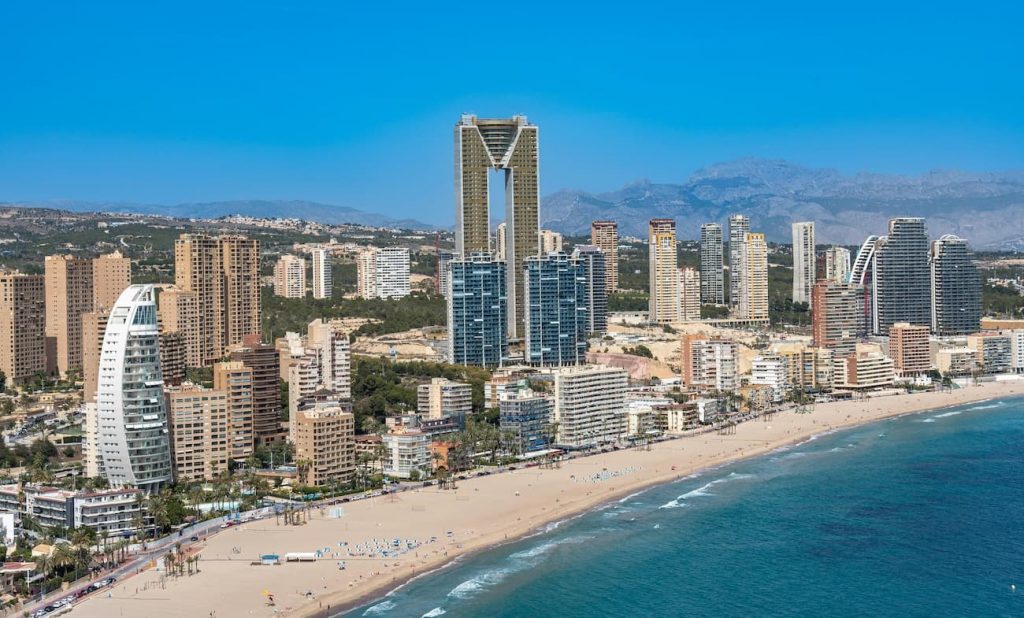
Location is usually the most important factor. Properties in Madrid, Barcelona, the Balearic Islands, the Costa del Sol, and other high-demand areas tend to command higher prices due to limited supply, strong local demand, and international interest.
In contrast, inland areas and smaller municipalities can offer lower prices, although buyers should still verify planning status, access, utilities, ownership history, and any restrictions affecting the property. A lower purchase price should never replace proper legal checks.
New build vs resale property
New build and resale properties have different cost structures. A new build property is usually subject to VAT and stamp duty, while a resale property is generally subject to transfer tax. This distinction can significantly affect the final amount paid by the buyer.
New builds may also involve stage payments, developer contracts, completion deadlines, building licences, and guarantees. Resale properties, on the other hand, require careful review of title, charges, community debts, tax obligations, and the physical and legal condition of the property.
Property size and condition
Size affects the price, but condition affects the real investment required after purchase. A property that appears affordable may require renovation, structural repairs, legal regularisation, or upgrades to comply with current standards.
Before buying, it is advisable to consider not only the price per square metre, but also the cost of making the property legally and practically usable. This is especially relevant for rural houses, older villas, and properties with extensions, pools, terraces, or annexes.
Proximity to the coast or city centre
Coastal and central locations often increase the price. Properties close to beaches, marinas, historic centres, transport links, international schools, or business districts usually attract stronger demand.
However, proximity to the coast may also involve additional legal considerations, including planning restrictions, coastal regulations, community rules, tourist rental limitations, and environmental requirements. These factors should be checked before signing a reservation or deposit agreement.
Can foreigners buy a house in Spain?
Yes, foreigners can buy a house in Spain. There is no general restriction preventing non-residents from acquiring property. However, foreign buyers will usually need a NIE, which is the Spanish foreign identification number, and may also need a Spanish bank account, proof of funds, tax planning, and legal representation.
Although hiring a lawyer is not legally mandatory in every transaction, it is strongly recommended, especially for international buyers. A lawyer can verify the ownership, title deeds, land registry information, debts, licences, planning status, contractual terms, tax exposure, and completion process.
How much does a house cost in Spain on average?
Foreigners usually pay the same purchase price as Spanish buyers, but they may need to budget for additional practical costs such as NIE processing, translations, powers of attorney, international bank transfer fees and legal or tax advice.
As a general estimate, foreign buyers should calculate around 10% to 15% extra on top of the purchase price for taxes and buying costs. The exact amount depends on the region, the type of property and whether it is a resale or a new build, so it should be reviewed before paying a reservation deposit.
How much cost a house in Spain by property type?
Property type has a major impact on price. Apartments, villas, townhouses, and rural houses follow different market dynamics, and each category involves different legal and practical considerations.
Buyers should also remember that the advertised price is only one part of the calculation. Maintenance, community fees, renovation needs, tax obligations, and legal risks can all influence the real cost of ownership.
How much does an apartment in Spain cost?
An apartment in Spain may cost anywhere from below €100,000 in some inland or smaller markets to several hundred thousand euros in major cities or coastal areas. In Madrid, Barcelona, Málaga, Valencia, and island destinations, prices can be significantly higher.
When buying an apartment, it is important to review the community of owners, community fees, outstanding debts, building maintenance, use restrictions, and whether tourist rentals are permitted if the property is intended as an investment.
Villa
A villa generally costs more than an apartment because it usually includes more land, privacy, outdoor space, and additional features such as a pool, garden, garage, or terraces. Prices vary greatly depending on the area.
From a legal perspective, villas require careful due diligence. Buyers should verify building licences, extensions, swimming pools, boundaries, land classification, utilities, and whether all constructions are properly registered.
How much does a townhouse in Spain cost?
Townhouses often sit between apartments and villas in terms of price. They may offer more space than an apartment but lower maintenance than a detached villa. Prices depend heavily on the municipality, condition, and proximity to services.
Legal checks should include title verification, community obligations if part of a development, planning status, and any limitations affecting renovations or use.
Rural house
Rural houses can be more affordable, but they may also carry higher legal and technical risks. Some properties may have unregistered extensions, unclear boundaries, access issues, agricultural land restrictions, or limitations on renovation.
For this reason, rural properties should be reviewed very carefully before payment of any deposit. A low purchase price can become expensive if the property cannot legally be renovated, extended, connected to services, or used as intended.
How much does a house in Spain cost by region?
Spain’s regional differences are substantial. A house in Madrid or the Balearic Islands will usually cost far more than a similar property in an inland town. Regional taxes also vary, which means the final cost of buying changes depending on where the property is located.
This is why buyers should compare both the market price and the transaction costs in the relevant autonomous community.
How much does a house cost in Madrid?
Madrid is one of Spain’s most expensive and competitive markets. Strong employment, international demand, limited central supply, and high rental demand contribute to higher prices.
Buyers should also consider that central districts and premium residential areas can be considerably more expensive than outer municipalities.
Average house prices in Barcelona
Barcelona is another high-demand market, especially for international buyers. Prices vary widely between central neighbourhoods, coastal areas, residential districts, and surrounding municipalities.
Legal review is particularly important where buyers intend to rent the property, as local rules and licensing requirements may affect tourist or short-term rental activity.
Valencia
Valencia has become increasingly attractive for international buyers due to its lifestyle, infrastructure, climate, and relative affordability compared with Madrid or Barcelona.
However, prices have increased in many areas, particularly in central neighbourhoods and coastal zones. Buyers should review local market conditions and legal requirements before proceeding.
How much does a house cost in Andalusia?
Andalusia includes very different markets, from inland towns to luxury areas in Málaga, Marbella, Sotogrande, and the Costa del Sol. Prices therefore vary dramatically.
In coastal Andalusia, legal checks are especially important due to planning history, tourist rental rules, community developments, and older properties with possible documentation gaps.
Balearic Islands
The Balearic Islands are among Spain’s most expensive property markets. Limited land, strong international demand, lifestyle appeal, and island constraints push prices upward.
Buyers should pay special attention to planning permissions, rural land rules, renovation restrictions, and tax exposure.
House prices in the Canary Islands
The Canary Islands offer a wide range of prices depending on the island, municipality, and property type. Tourist areas and coastal locations tend to command higher prices, while inland or less developed areas may be more affordable.
As with any purchase in Spain, legal due diligence should confirm title, debts, licences, and permitted use.
How much it cost to build a house in Spain?
Building a house in Spain can be a viable alternative, but it is not simply a question of construction cost. Buyers must consider land price, planning classification, architect fees, licences, taxes, technical reports, utility connections, and contingency budgets.
A plot that appears attractive may not be buildable, or may only allow specific types of construction. Before buying land, it is essential to verify urban planning status with the relevant town hall and legal professionals.
Average construction cost per square metre
Construction costs vary depending on location, materials, design, labour, technical complexity, and quality level. A basic build may be significantly cheaper than a high-end villa with advanced energy systems, landscaping, pool, and premium finishes.
As a practical approach, buyers should request detailed technical estimates and include a contingency margin. The real cost is usually higher than the basic construction figure alone.
Land, licences and architect fees
Land costs can represent a major part of the total budget, particularly in coastal or urban areas. In addition, buyers must budget for architects, technical architects, municipal licences, planning applications, geotechnical reports, project management, and taxes.
The legal status of the land is critical. Not all land in Spain can be built on, and some plots are subject to strict planning, environmental, or rural restrictions.
Extra costs when building a house in Spain
Additional costs may include utility connections, access roads, landscaping, pool construction, energy certificates, insurance, legal fees, financing costs, and final registration of the completed property.
It is also important to ensure that the finished construction is properly declared, registered, and legally documented. Otherwise, future resale or financing may become difficult.
FAQs about how much does a house cost in Spain
How much does buying a house in Spain really cost?
Buying a house in Spain usually costs more than the purchase price. As a general estimate, buyers should budget around 10% to 15% extra for taxes, notary fees, land registry fees, legal fees, and other transaction costs.
How much a house cost in Spain in the cheapest areas?
In the cheapest areas, particularly inland towns or less demanded rural regions, it may still be possible to find properties below €100,000. However, buyers should be cautious: low prices may reflect renovation needs, legal issues, poor access, or limited resale demand.
How much a house cost in Spain in the most expensive areas?
In the most expensive areas of Spain, house prices can easily exceed €4,000 per square metre, especially in cities such as Madrid or Barcelona, the Balearic Islands, Marbella, Ibiza and other premium coastal locations. In luxury markets, prices may be much higher, particularly for villas with sea views, large plots, private pools or properties in exclusive residential areas.
The final price will depend on several factors, including the exact location, proximity to the coast or city centre, property condition, size, outdoor space, legal status, views, demand from international buyers and the availability of similar properties in the area. For this reason, buyers should not rely only on broad averages, but also review the specific market and legal situation of the property before making an offer.
How much does buying a house in Spain really cost with taxes?
The tax cost depends mainly on whether the property is a resale or a new build. As a general rule, resale properties are subject to transfer tax, which often ranges between 6% and 10% depending on the autonomous community. New build properties are usually subject to 10% VAT, plus stamp duty, which also varies by region.
In addition to taxes, buyers should budget for notary fees, land registry fees, legal fees and, where applicable, mortgage-related costs. As a practical estimate, the total additional cost of buying a house in Spain is often around 10% to 15% of the purchase price. The exact amount should always be calculated before signing, especially for international buyers or high-value transactions.
How much does a house in Spain cost for foreigners?
Foreigners usually pay the same purchase price as Spanish buyers, but they should budget for extra practical costs such as NIE processing, translations, powers of attorney, bank transfer fees and legal advice.
As a general estimate, foreign buyers should calculate around 10% to 15% extra on top of the purchase price for taxes and buying costs. This should be reviewed before paying a reservation deposit.